Delta-9 THC has a reputation for knocking people into sleep, easing tension, and smoothing out the edges of a long day. It can also do the opposite if the timing is off, the dose is higher than you expected, or you take it when you are already tired, hungry, stressed, or running on too little sleep. The difference between “calm and steady” and “too much, too fast, and too loud” is often not the product, it’s the plan.
This is where timing matters. With Delta-9 THC products, especially edibles and other ingestible formats, timing is less about a magical number and more about matching the dose to your body’s pace, your day’s context, and the window you actually want to feel relaxed.
Below is the practical approach I use for planning a calming Delta-9 session, along with the real-world variables that change onset and intensity. I’ll also touch on how sourcing affects your expectations when you Buy Thc Delta 9 or Buy online THC delta 9, because the “same” label can behave differently depending on formulation.
What Delta-9 THC timing really depends on
People often ask, “How long until I feel it?” The more useful question is, “How long until it reaches the kind of effect I’m looking for, given how I’m taking it?” Delta-9 THC can work on a spectrum, from subtle body relaxation to full mental alteration, and timing controls where you land on that spectrum.
For most ingestible Delta-9 products, you are dealing with a chain of steps:
First, digestion. Then absorption. Then metabolism, including conversion that can intensify the effects. That conversion step helps explain why edibles often hit later but feel stronger and longer than inhaled THC.
Even if two products list the same Delta-9 THC amount, onset can still vary based on the formula. A gummy can behave differently than a drink. A microdose-style edible can feel gentler than a “one size, one dose” chew. Some products use different binding agents or emulsifiers that can change how quickly THC-related compounds move through the digestive system.
Then there’s you. Your meal timing and composition can matter more than people expect. Taking Delta-9 THC on an empty stomach often leads to faster onset, while taking it after a meal can slow onset but sometimes produce a smoother curve. Fat content in particular can influence absorption for many edible types, so a heavy, fatty dinner can change both speed and intensity.
Finally, there’s tolerance and sensitivity. Regular use can shorten how long a dose takes to feel “strong,” and it can also reduce the perceived intensity at the same dose. But tolerance doesn’t always act like a simple on/off switch. Some people build tolerance to certain effects (like sedation) while still feeling anxiety or racing thoughts at higher doses, especially if they are prone to that response.
Onset, peak, and the “calm window”
When people say they want relaxation, they usually mean one or more of these outcomes: eased muscle tension, slower breathing, less mental noise, and an emotional tone that feels safer and warmer. Those effects can show up at different times.
In many edible experiences, you’ll feel the first nudge before the “real” calm arrives. That means you need to resist the urge to chase the feeling early.
A common pattern looks like this, in practical terms:
- Early phase: mild bodily warmth, light head shift, or a quiet change in mood. Middle phase: noticeable relaxation or slowed cognition, sometimes with increased appetite. Peak phase: strongest effects, which is often where you want to be pleasantly calm rather than overwhelmed. Comedown: the mind clears and the body settles, which can be soothing if you timed it right.
How long these phases take depends on the product, your body, and your meal. Rather than treating onset as a single number, treat it as a range. For many ingestible Delta-9 THC products, early effects can begin somewhere in the first couple of hours, with peak effects sometimes occurring later than people expect. That late peak is the reason “I took it, didn’t feel much, then took more” turns into a bad night.
If you want a calm window for a specific plan, you need to know what your “peak tolerance” is. If your plan is a quiet evening at home, you can plan for a stronger peak because you can ride it out comfortably. If your plan includes social interaction, a movie with loud action scenes, or driving, your goal should be a lower peak and earlier settling.
Timing by situation: choosing your dose window
A solid dose plan starts with the day you’re having. Not just the calendar, the actual factors.
Are you already stressed from work? Do you have a hard workout ahead or just finished one? Are you sleep deprived? Are you hydrated? Have you eaten? These factors affect how Delta-9 THC reads on your nervous system.
Here’s how I think about timing depending on what I want from the relaxation:
For winding down after work
This is the most common use case. You are trying to transition from active brain to soft brain. In practice, I aim for a window where I’ll be fully settled by the time I usually start my evening routine, not right in the middle of it. If I take Delta-9 THC too early, I spend the “build” phase doing chores while feeling slightly off, which can make me restless rather than calm.
If I’m eating dinner, I’ll often align the dose with the post-meal period rather than the moment food hits my plate. That tends to produce a smoother build and a calmer peak for me personally.
For evening comfort, not sedation
Some people want couch glow. Others want calm but still enough clarity to read, journal, or talk. The timing is similar, but the dose strategy changes. Lower doses can lead to relaxation that supports focus and emotional steadiness, while higher doses can shift you into heavy sedation and slowed thinking.
If you want calm without sedation, you’re usually better off planning for the dose to peak while you’re still engaging in low-stimulation activities, not when you’re trying to stay sharp. That means you pick a peak window, and you avoid “accidental higher peak” scenarios.
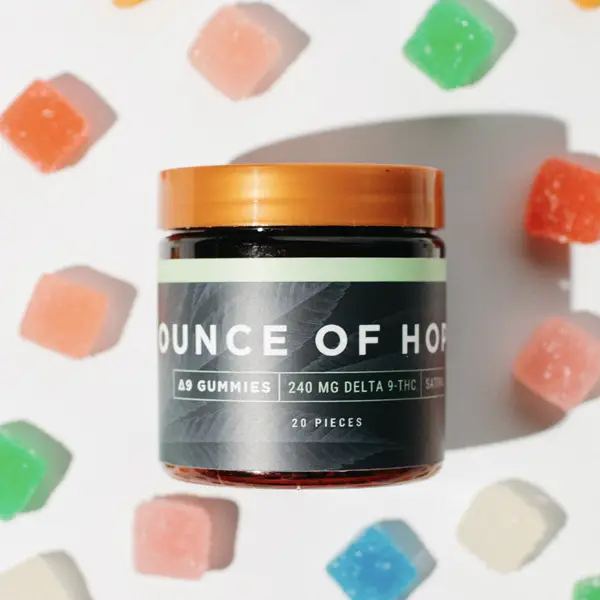
For sleep, but with patience
Sleep is its own category because the goal is not only relaxation, it’s downshifting your whole system. Timing here is about giving yourself enough time for the dose to rise and then start your body’s transition.
A mistake I’ve watched happen repeatedly is treating Delta-9 as if it works like an instant sleep aid. If the edible peaks later than you expected, you end up trying to sleep during the peak, which can feel uncomfortable for some people. For others it’s perfect. The difference is dose and personal response, not just product strength.
If you are using Delta-9 THC as a sleep tool, keep your trial conservative and note the time it reaches your preferred “heavy eyelids” stage. Then you can adjust the next attempt.
Meal timing and why it changes the experience
Meal timing can be the deciding factor between a pleasant evening and a “why did I do this?” moment.
If you take a Delta-9 edible on a totally empty stomach, onset is often faster. That can be helpful if you want relaxation within a shorter window. But faster onset also increases the chance you will overcorrect with an extra gummy before the first one has finished climbing to its peak.
If you take it after a meal, onset can be slower. You may not feel much for a while, which can feel frustrating. The fix is not to rush, it’s to start lower and give it time.
Fat content can also influence how edibles feel. This doesn’t mean you need to eat a particular macro plan, but it means a light snack can feel different from a full meal. In the real world, I use a simple rule: if my plan is “calm tonight,” I dose when I can reasonably expect I am not about to go from no food to high THC all at once. That often means eating something beforehand and keeping the dose conservative.
Hydration matters, too. THC can dry the mouth and affect how you perceive anxiety. If you already feel dehydrated or overheated, Delta-9 may amplify the discomfort. I’ve learned to keep water nearby and to avoid taking a high dose when I’m already running warm.
The dose mistake that ruins timing
There is one classic timing failure mode I see again and again: the early check-in.
People take a gummy, feel nothing at the 30 or 60 minute mark, then take more. The second dose arrives as the first dose is already peaking. The end result is often not just “stronger,” it’s “stronger in the wrong way,” with a more intense mind effect than the user expected.
If you’re trying to time Delta-9 THC for calm, the safest strategy is to build a dosing plan around the idea that effects can lag.
A practical approach looks like this:
Start with a low dose the first time you try a product or a new edible format. Give it time before taking more, and set that waiting period in your plan, not in your anxiety. Track the exact time you took it, what you ate, and what you felt at each step. Adjust next time based on the peak, not just the onset. Keep the rest of the night low-stimulation so you can ride out the curve without needing to “manage” it.That list is boring on purpose, because boring is what makes timing work. Calm is rarely a matter of luck.
A realistic dosing range (and why it varies)
Since product labels often differ, the best dosing advice is not a single number that pretends to fit everyone. Delta-9 THC can be mild at low doses and intense at higher doses, and sensitivity varies widely.
If you are new to Delta-9 THC, a conservative starting point is generally the move. For many edible users, “small” means something like a fraction of the typical gummy serving, then waiting. For people with tolerance, a serving might be within their usual range. For others, a full gummy can be too much even if it’s labeled as “relaxing.”
Because I don’t know your body, your tolerance, or the product concentration, I can’t give you a one-size dose. But I can tell you how to think in practical terms:
- Dose too low: you might feel only mild relaxation, or nothing at all. The risk is mainly that you’ll take more too soon. Dose in the sweet spot: you feel body ease and mental calm without panic, nausea, or uncomfortable intensity. Dose too high: you may get racing thoughts, “stuck” feelings, dizziness, or a restless body. Timing might still be correct, but the dose is too big for the effect you wanted.
If you do decide to Buy Thc Delta 9 or Buy online THC delta 9, pay attention to serving size and total THC per package, not just what the marketing calls it. Two products can both say “Delta-9 THC,” but one might be a low-dose formulation where “one serving” is modest, while the other might pack a much larger dose into what it calls one legit delta 9 online shop piece.
That’s also why online shopping can be tricky. If you buy online THC delta 9 from a storefront, you usually have access to product specs, but you still need to verify what “serving” means. If a product suggests a serving, but your goal is gentle calm, you may not want to start there.
What to expect at different times after dosing
Timing is not only about when you feel it, it’s about what phase you are in when you do other things.
If you take Delta-9 THC and immediately jump into something high-stimulation, like a loud social gathering or a stressful task, you might experience discomfort even if the eventual peak would have been fine. Calm is easier when your environment matches your goal.
In a common “evening home routine” scenario, I plan like this in my head:
I give myself a window for the early phase where I can do light, familiar activities. I keep the volume low and the temperature comfortable. Then, when the middle and peak phases arrive, I let them pass without demanding that I still feel perfectly normal.
For example, if you’re making dinner, you may want to dose after dinner rather than during cooking if you’re sensitive to nausea or coordination changes. If you plan to watch a movie, pick something with a tone that won’t spike stress. If you know you can get anxious when visuals feel intense, choose something calmer.
This is not about fear. It’s about matching your mind to your environment, so the Delta-9 THC amplifies calm instead of amplifying whatever is already there.
Common edge cases that change timing and calm
Even when you time it “right,” a few variables can make the experience unusual.
Anxiety sensitivity
Some people relax emotionally on Delta-9 THC, while others feel anxious at higher doses or during peak. If you’re prone to anxiety, consider lower dosing and earlier settling, so you do not spend your peak in a situation that requires confidence and social performance.
Nausea and stomach sensitivity
Edibles can cause nausea, especially if the dose is high or if you are dosing at the wrong time relative to food. Nausea can then create anxiety, and the night spirals. If you have a sensitive stomach, timing matters even more. Start smaller, hydrate, and keep the environment soothing.
Mixing with alcohol or other substances
Combining THC with alcohol can make the experience unpredictable. It can intensify impairment and shift your perception of sedation. If you want calm, choose a lane. I’ve had nights where a small amount of alcohol turned a gentle Delta-9 evening into an uncomfortable headspace. Even if you’re experienced, combining changes how you judge timing.
Medications and health conditions
Delta-9 THC can interact with certain medications or affect conditions like sleep disorders, mood disorders, and cardiovascular sensitivity. I’m not going to guess at your medical situation, but if you take prescription medications or manage a health condition, it’s worth asking a qualified clinician before experimenting with THC, especially with consistent use.
Timing your dose when you’re buying online or trying a new product
When people switch products, their timing expectations often stay the same. That’s where trouble starts.
If you Buy Thc Delta 9 from a new brand, even one that seems similar, treat it like a new experiment. The gummy’s thickness, the extraction method, and even the edible base can change onset and the shape of the peak. Your last product doesn’t guarantee this product’s curve.
When ordering online, also check packaging clarity. Some listings are vague about total THC versus per serving. Some describe “Delta-9” but package the product in a way that makes serving unclear. If you’re not sure, check the label carefully before you dose.
A simple rule: if you cannot confidently calculate your serving dose, you cannot confidently time your experience. That’s how people end up taking “twice what they meant to.”
A practical “calm tonight” timeline you can adapt
If you want a concrete planning example, here is how I’d structure a conservative trial for a typical at-home evening where the goal is relaxation, not heavy sedation.
Let’s say you want to feel calm around 8:30 pm. You plan to eat dinner around 6:30 to 7:00 pm. You choose a Delta-9 edible that is clearly labeled per serving, with a known amount of Delta-9 THC per piece.
You take your starting dose after dinner, giving yourself time to digest and allowing the edible to start its climb. You do not immediately evaluate at 45 minutes as if the story is finished. You give it a longer window, because the peak can arrive later than your first hint of effects.
Then you decide based on how you feel, not based on the clock alone. If you feel mild calm and no unpleasant intensity, you might decide to keep the rest of the night as is. If you feel nothing after a reasonable window, you might consider a small adjustment next time, rather than rushing in the same session. That mindset protects you from the late-peak problem.
This approach is slower, but it is reliable. Calm is easier when you keep the dose changes for future you, not impulsive you.
Safety and comfort: making timing work for your body
Relaxation isn’t just an outcome, it’s also about how safe you feel while you get there.
Create conditions that reduce the “bad timing” outcomes. Keep your night simple. Have water. Avoid tasks that require coordination. If you get dry mouth or feel a little foggy, that’s not a sign to panic, it’s a sign to care for yourself.
I also recommend you plan your next-day schedule. If you have commitments early, high doses or late peaks can carry into the morning. That’s less about willpower and more about how long the effects linger for you.
If you are using Delta-9 THC regularly, timing becomes a tool for consistency. You learn your personal peak window. You learn what meal patterns make you feel smooth versus edgy. You learn how long it takes for you to feel “back to baseline” and not just “less high.”
What “calm” should feel like when timing is correct
The best indicator that your timing worked is not how strong the experience was, it’s how it feels relative to your goal.
When timing is right for relaxation, most people report a calmer body and a gentler mind. You feel slower, warmer, and less reactive. Your thoughts might still be present, but they stop spiraling. You can sink into an activity without feeling the need to constantly check your internal state.
If timing is wrong, you may feel trapped in the build. You might feel restless, nauseated, or mentally “busy.” You might notice your heart rate feels more intense or your breathing feels shallow. Sometimes that comes from dose, sometimes it comes from environment, and sometimes it comes from both.
Either way, timing gives you options. It gives you the chance to correct your next attempt without turning tonight into damage control.
Buying Delta-9 products with timing in mind
If you’re shopping and thinking about relaxation timing, product selection matters as much as your dose plan.
Look for clarity in labeling. Know the Delta-9 THC amount per serving, understand what the serving contains, and understand the form factor. A gummy that is designed to be eaten slowly, or a drink formulated for faster absorption, can change your timing curve.
Also pay attention to consistency across batches. Even when products are well made, ingredients can vary. If you rely on a predictable calm window, choose products with reliable dosing and a transparent serving structure.
Keywords matter here because the practical reality is that many people look for ways to Buy Thc Delta 9 or search for online THC delta 9 options when local availability is limited. If you Buy online THC delta 9, treat the product page like part of your dosing plan. Double-check the serving size, the total THC, and the recommended dosage. Then start low and time it conservatively.
Calm is an outcome you can learn, but only if you treat each new product as an experiment, not a repeat of what happened last month.
The bottom line on timing Delta-9 THC for calm
The goal is not to feel something as fast as possible. The goal is to arrive at relaxation at the time you want, with a dose that fits your sensitivity and your environment.
Timing works best when you respect three truths: edibles can take longer than you think, the peak might come later than your early impressions, and meal context changes the curve. Once you build your routine around those realities, Delta-9 THC can become a dependable tool for easing stress and turning down mental noise.
If you’re experimenting with a new edible, especially if you’re looking to Buy Thc Delta 9 or Buy online THC delta 9, give yourself a conservative first session. Record the time you took it, what you ate, and when the calm actually showed up. Then adjust next time. That method turns trial and error into something closer to craftsmanship, and the nights get calmer as your timing gets smarter.